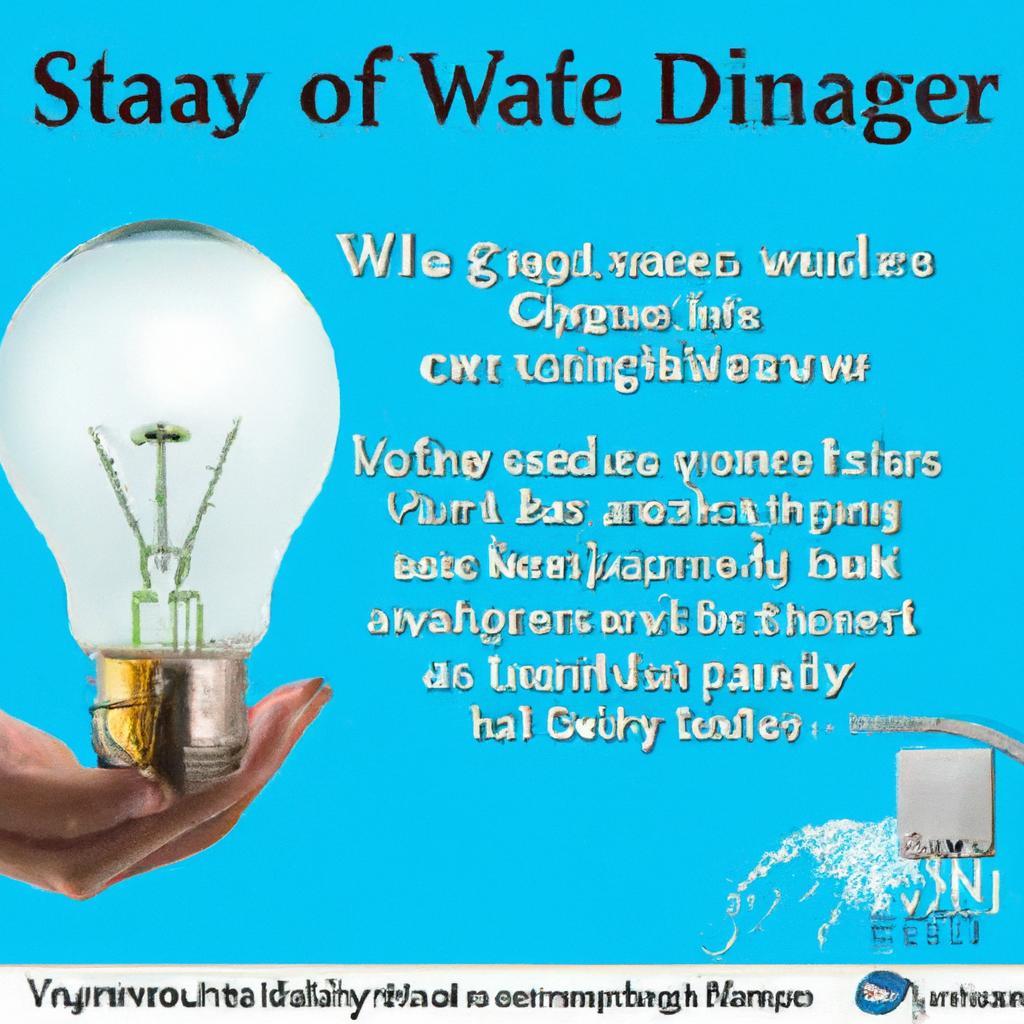
Simple Steps to Save Energy and Water: Small Changes, Big Impact on Your Utility Bills
In a world increasingly aware of the delicate balance between comfort and conservation, the quest for efficiency has become more pressing than ever. As utility bills continue to rise, the financial burden on households frequently enough leads to a scramble for solutions that are not only effective but also manageable. What if we told you that the answer could lie in the simple changes woven into our daily routines? This article unveils straightforward yet powerful steps that can transform your home into a sanctuary of conservation-saving both energy and water. Through small adjustments and mindful habits, you can see a significant impact on your utility bills while also contributing to a healthier planet. Join us as we explore practical, easy-to-implement strategies that demonstrate how a few conscious choices can lead to substantial savings and sustainable living.
Practical Tips for Reducing Water Waste at Home
Reducing water waste is not only beneficial for the environment but also for your wallet. Here are some practical steps you can take to make a difference:
- Fix Leaks: A dripping faucet can waste gallons of water daily. Regularly check and repair any leaks.
- Shorten Showers: Aim for 5-minute showers. Consider using a timer to track your progress.
- Install Low-Flow Fixtures: Replace showerheads and faucets with low-flow options to cut down water use considerably.
- Run full Loads: only use your dishwasher and washing machine when they are fully loaded. This maximizes water efficiency.
- Water-Efficient Landscaping: Opt for drought-resistant plants and implement drip irrigation systems for your gardens.
By incorporating these easy changes into your daily routine, you’ll be on your way to conserving water without sacrificing comfort or convenience.
Energy-Saving Habits That Transform Your Utility Bills
Implementing simple energy-saving habits can lead to significant reductions in your utility bills, creating a win-win situation for both your wallet and the environment. Start by embracing energy-efficient appliances, which consume less power and often have longer lifespans. Additionally, consider the following practices:
- Turn off devices: Make it a habit to switch off lights and unplug chargers when not in use.
- Use natural light: Open curtains during the day to utilize sunlight rather of artificial lighting.
- Regular maintenance: Keep HVAC systems well-maintained and change filters regularly to ensure efficient operation.
- Smart thermostats: Invest in programmable thermostats to optimize heating and cooling schedules based on your routine.
- Water conservation: install low-flow fixtures and practise mindful water use to reduce both energy and water bills.
Moreover, voltage spike protection devices can safeguard your appliances while conserving energy. Below is a simple comparison table that illustrates the potential savings from adopting these habits:
| Habit | Estimated Monthly savings |
|---|---|
| Switching to LED bulbs | $6 – $15 |
| unplugging devices | $3 – $10 |
| Upgrading to energy-efficient appliances | $30 - $50 |
| Water conservation methods | $5 – $20 |
Adopting these straightforward habits not only helps to lower your bills but also contributes to a more sustainable future.
In Retrospect
adopting simple, mindful habits can significantly transform not only your utility bills but also your relationship with the resources we frequently enough take for granted. Each small change-be it turning off the tap while brushing your teeth, upgrading to energy-efficient appliances, or adjusting your thermostat-collectively weaves a fabric of sustainability that benefits both your wallet and the planet.
As you embark on this journey of conservation, remember that every drop saved and every watt conserved contributes to a larger movement toward responsible living. Empower yourself and those around you to recognise the profound impact of these small steps. Together, let’s create a future where energy and water are cherished, ensuring that our homes remain agreeable and our environment thrives for generations to come. The transition might potentially be gradual, but the effects will ripple through our communities, inspiring others to join in this essential endeavor. So take a moment, reflect on what you can change today, and step into a tomorrow that shines a little brighter and flows a little cleaner.
