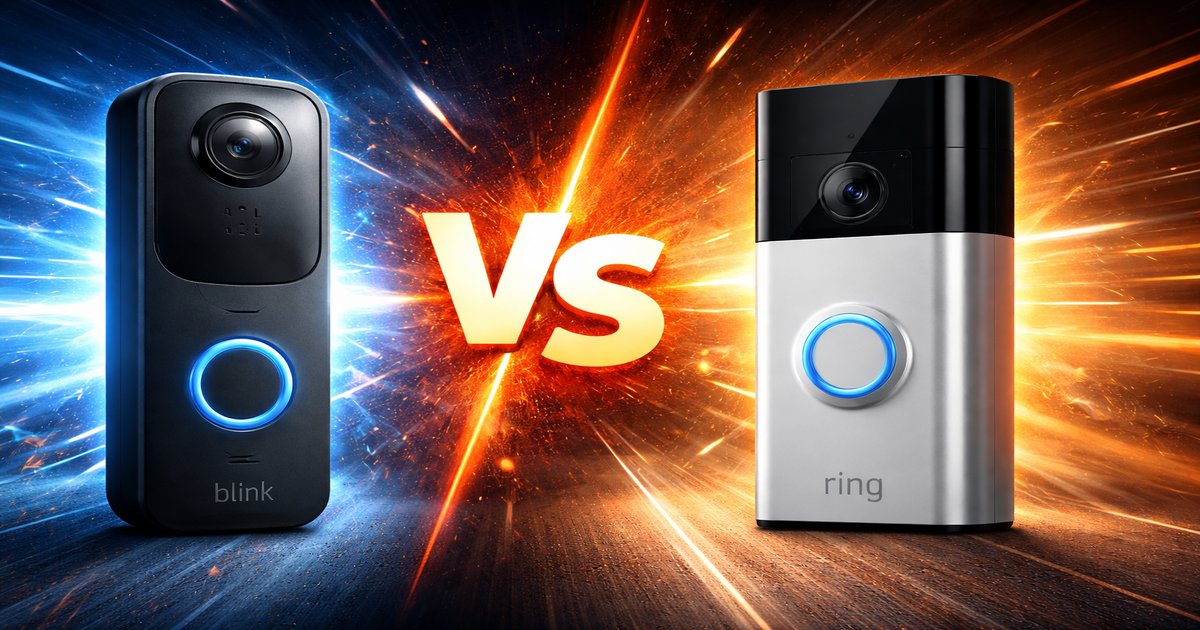
Blink Doorbell vs Ring Doorbell: Which One Is Actually Worth It?
You’re tired of missing important deliveries or visitors while you’re away from home. With smart doorbells like the Blink and Ring, you can keep an eye on your front door no matter where you are. Let’s dig into what each has to offer and find out which one rings true for your needs.
| Feature | Blink Doorbell | Ring Doorbell |
|---|---|---|
| Resolution | 1080p HD | 1080p HD |
| Field of View | 135° | 155° |
| Two-Way Audio | ✓ | ✓ |
| Smart Home Compatibility | Amazon Alexa | Amazon Alexa, Google Assistant |
| Weather Resistance | IP54 | IP65 |
| Subscription Required for Storage | ✓ | ✓ |
| Price | $99 | $99 – $199 |
✅ blink doorbell Pros
- Affordable price point at $99.
- Easy installation and setup.
- Good video quality with 1080p resolution.
❌ blink doorbell Cons
- Limited smart home compatibility.
- Less weather-resistant at IP54.
- Subscription required for video storage.
✅ ring doorbell Pros
- Wider field of view at 155°.
- Better weather resistance with IP65 rating.
- Broader smart home integration.
❌ ring doorbell Cons
- Higher price range, potentially up to $199.
- Subscription necessary for accessing video history.
Performance
The performance of both the Blink and Ring doorbells is solid, but there are nuances. Blink offers decent 1080p video quality with a respectable 135° field of view, making it a reliable option for smaller entryways. However, Ring steps it up with a 155° field of view, which is a significant advantage if you want a broader look at who’s approaching your door. The extra field of view can be a game-changer if you live in a home with a large front porch or a wide driveway.
Build Quality
In terms of build quality, the Ring doorbell has a more robust design with its IP65 weather resistance, meaning it can handle harsher weather conditions better than the Blink’s IP54 rating. This makes Ring a more durable choice if you live in an area prone to heavy rain or snow. Blink’s build is fine for mild climates, but the extra toughness of the Ring gives it an edge for those who need something that can withstand the elements more reliably.
Value
When it comes to value, both doorbells are priced competitively, but you need to consider what you’re getting for the money. Blink is an excellent choice if you’re budget-conscious and looking for straightforward functionality without too many bells and whistles. On the other hand, Ring offers more features and better integration with other smart home devices, justifying its higher price range. The decision here boils down to whether you prioritize cost or a more feature-rich experience.
One thing most reviews gloss over is the ongoing cost of subscriptions. Both the Blink and Ring doorbells require a subscription to access recorded footage, which can add up over time. Also, if you have a complex smart home setup, Ring’s broader compatibility will save you some integration headaches down the line.
Our Final Verdict: Which One Should You Buy?
If you’re looking for an affordable, no-frills doorbell and don’t need extensive smart home compatibility, the Blink doorbell is a solid choice. It’s perfect for smaller homes or apartments where budget is a primary concern. Meanwhile, if you value a wider field of view, better weather resistance, and need integration with multiple smart home systems, the Ring doorbell is the way to go. It’s ideal for tech-savvy homeowners who want a more comprehensive security setup.
Does the Blink doorbell work with Google Assistant?
No, the Blink doorbell is primarily compatible with Amazon Alexa. If Google Assistant integration is crucial, you might want to consider the Ring doorbell.
Can I use the Ring doorbell without a subscription?
Yes, you can use the Ring doorbell without a subscription, but you won’t be able to access stored video footage. Live view and alerts are still available without it.
How long do the batteries last on these doorbells?
The battery life for both Blink and Ring doorbells varies based on usage, but you can generally expect around six months before needing a recharge or replacement, assuming average activity levels.
