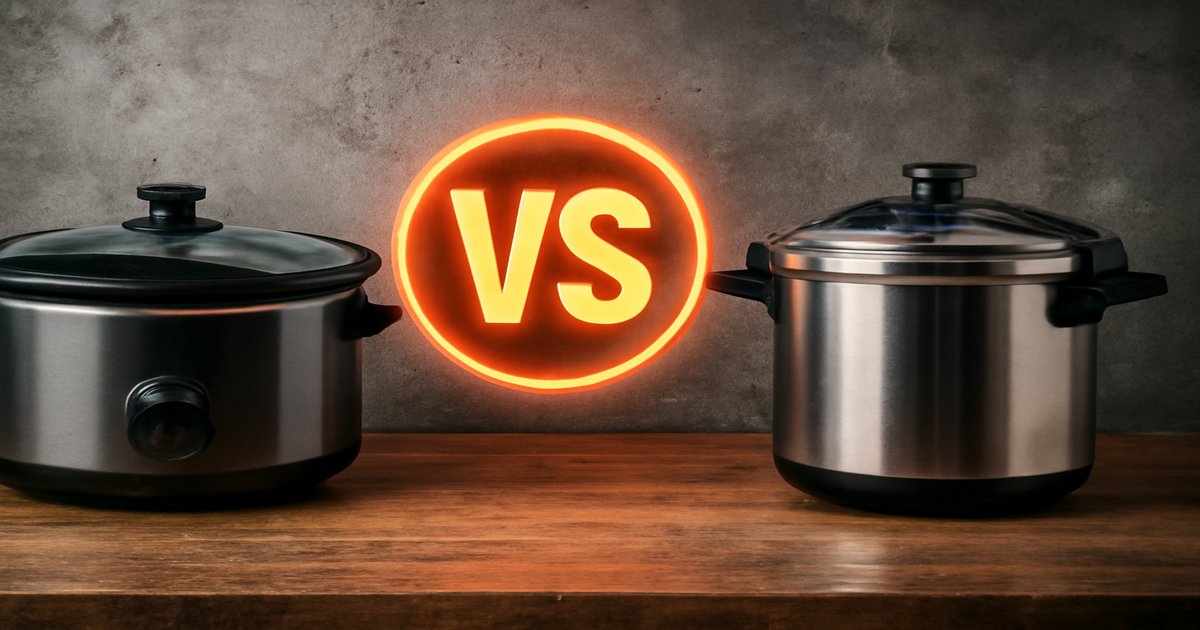
Slow Cooker or Pressure Cooker? Here’s What Most Reviews Won’t Tell You
Ever found yourself in a pinch, craving a hearty meal but short on time? Or maybe you just want to set and forget while you tackle other tasks? Choosing between a slow cooker and a pressure cooker can make or break your kitchen game. Let’s dive into which one suits your culinary lifestyle better.
| Feature | Slow Cooker | Pressure Cooker |
|---|---|---|
| Cooking Time | 6-10 hours | 30-60 minutes |
| Energy Efficiency | ✓ | ✓ |
| Flavor Infusion | ✓ | ✗ |
| Ease of Use | ✓ | ✓ |
| Versatility | ✗ | ✓ |
✅ slow cooker Pros
- Perfect for tenderizing tough cuts of meat.
- Set-it-and-forget-it convenience for busy days.
- Enhances flavors over long cooking times.
❌ slow cooker Cons
- Takes hours, not ideal for last-minute meals.
- Limited cooking functions compared to pressure cookers.
✅ pressure cooker Pros
- Cooks meals in a fraction of the time.
- Highly versatile; can sauté, steam, and more.
- Great for nutrient retention in vegetables.
❌ pressure cooker Cons
- Can be intimidating for first-time users.
- Less effective at flavor infusion compared to slow cooking.
Performance: Speed vs. Flavor
When you need speed, the pressure cooker is your go-to appliance. It can whip up a pot roast in under an hour, making it ideal for weeknight dinners when time is of the essence. However, if it’s flavor depth you’re after, a slow cooker excels. Imagine letting a beef stew simmer all day, allowing spices and herbs to meld beautifully. You’ll sacrifice time, but the richness of taste pays off.
Build Quality: Robustness and Reliability
Both appliances are generally durable, but pressure cookers often come with more complex mechanisms, making them slightly more prone to wear over time, especially if you’re not careful with the seals and valves. Slow cookers, with their simpler design, tend to be more of a workhorse. They don’t have the same moving parts, which means less can go wrong. But remember, a pressure cooker’s stainless steel interiors can withstand a beating.
Value: What You Get for Your Money
Pressure cookers might cost more upfront, but their versatility makes them worth every penny. You can sauté, steam, and even bake a cake if you want to get creative. Slow cookers are kinder on the wallet and perfect if your primary need is a simple, reliable way to simmer meals throughout the day. They might not have all the bells and whistles, but they do their job well without fuss.
Many reviews overlook that pressure cookers require a learning curve. You can’t just throw everything in and hope for the best, especially with timing and liquid amounts. Slow cookers, on the other hand, can leave food too mushy if not monitored, particularly for recipes that require a delicate texture balance.
Our Final Verdict: Which One Should You Buy?
If you’re a busy bee needing rapid meal solutions, the pressure cooker is your kitchen ally. It’s perfect for the multitasker who wants to venture beyond soups and stews. For the homebody who cherishes the aroma of a meal simmering throughout the day, the slow cooker is your best friend. It’s all about matching the cooker to your lifestyle and cooking style.
Can a pressure cooker replace a slow cooker?
Technically, yes, especially if it has a slow-cook function. But for true flavor infusion, a dedicated slow cooker still reigns supreme.
Do slow cookers consume a lot of electricity?
No, they are quite energy-efficient despite the long cooking periods. They operate at low wattage compared to ovens.
How long does a pressure cooker last?
With proper maintenance, a good quality pressure cooker can last you several years. Just keep an eye on the seals and gaskets.
