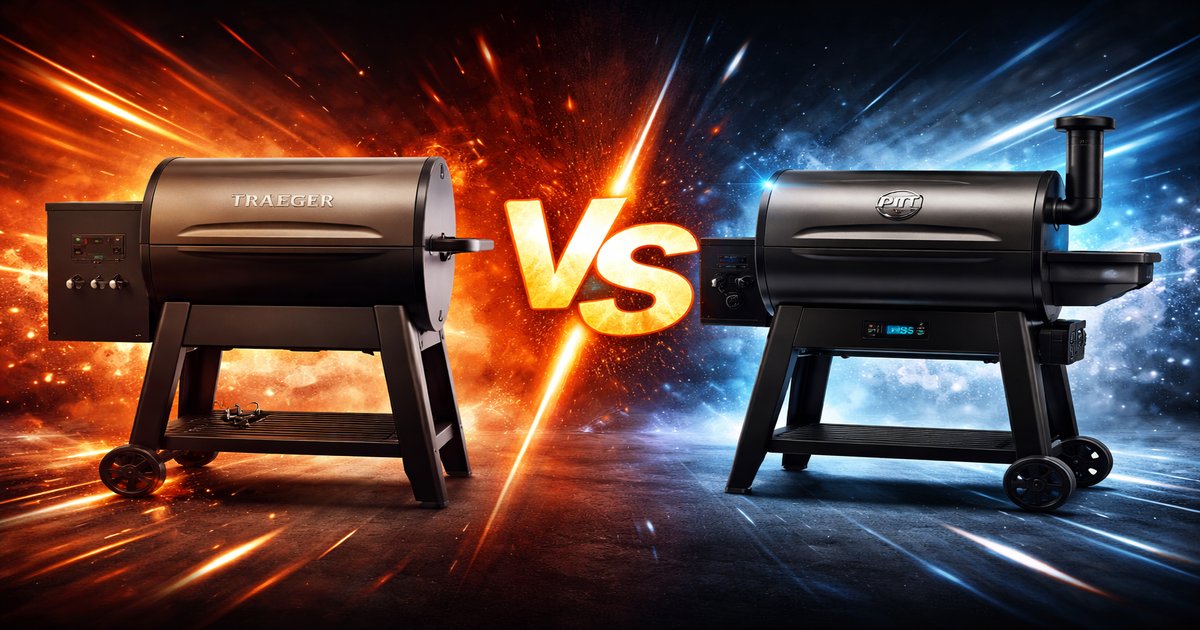
Choosing Between Traeger and Pit Boss: A Practical Guide
You’re eyeing a new pellet grill and can’t decide between the Traeger and Pit Boss. Your weekends are calling for perfectly smoked brisket and juicy ribs, but which grill will make you the backyard BBQ hero? Let’s break it down.
| Feature | Traeger | Pit Boss |
|---|---|---|
| Temperature Range | 165°F – 500°F | 180°F – 500°F |
| Wi-Fi Connectivity | ✓ | ✗ |
| Cooking Surface Area | 572 sq. in. | 700 sq. in. |
| Hopper Capacity | 18 lbs | 20 lbs |
| Price Range | $$$ | $$ |
| Warranty | 3 years | 5 years |
✅ traeger Pros
- Superior build quality with durable materials.
- Wi-Fi connectivity for remote monitoring and adjustments.
- Consistent temperature control for perfect results.
❌ traeger Cons
- Higher price point compared to competitors.
- Smaller cooking surface for the price.
- Limited hopper capacity might require frequent refills.
✅ pit boss Pros
- More affordable, offering great value for money.
- Larger cooking surface, ideal for big gatherings.
- Extended warranty for peace of mind.
❌ pit boss Cons
- No Wi-Fi connectivity, limiting remote control.
- Temperature control can be less consistent.
- Build quality isn’t as robust as Traeger’s.
Performance
When it comes to performance, Traeger slightly edges out Pit Boss due to its reliable temperature control and advanced features like Wi-Fi connectivity. If you’re the kind of person who wants to set it and forget it, Traeger’s precision makes it the better choice. However, Pit Boss isn’t a slouch either, especially for its price. It offers a wide temperature range and enough cooking power to tackle any BBQ event, but you might find yourself babysitting it more to maintain the perfect heat.
Build Quality
Traeger grills are known for their robust build quality. They use high-grade materials that can withstand the elements, ensuring longevity. If you live in an area with harsh weather, you’ll appreciate the durability. Pit Boss offers decent build quality for a budget-friendly option, but it doesn’t quite match Traeger. If you’re planning to move your grill around or keep it outside year-round, you might see more wear and tear on a Pit Boss.
Value
Pit Boss wins the value game with its larger cooking surface and lower price point. It’s perfect for those who want a lot of grill space without breaking the bank. Meanwhile, Traeger justifies its higher cost through added features and reliability. If you prioritize advanced tech and consistent cooking, the extra dollars are well spent on a Traeger. But if you’re cooking for larger groups and don’t need the bells and whistles, Pit Boss is a smart choice.
While Traeger is often praised for its advanced features, the Wi-Fi connectivity can be hit or miss depending on your network. On the flip side, Pit Boss’s temperature control can fluctuate more than you’d like, especially on windy days. These quirks aren’t deal-breakers but are worth considering based on your BBQ style.
Our Final Verdict: Which One Should You Buy?
If you’re a tech-savvy grilling enthusiast who values precision and doesn’t mind spending a bit more, Traeger is your go-to. Its superior build and connectivity options make it ideal for the modern BBQ aficionado. On the other hand, if you’re hosting large backyard cookouts and need more space at a reasonable cost, Pit Boss provides excellent value. It’s perfect for those who want to grill without the frills but with plenty of room for all your meats.
Can I use any pellets in these grills?
Yes, both Traeger and Pit Boss allow you to use any brand of pellets, though using their own brands can sometimes optimize performance.
How do these grills perform in cold weather?
Traeger’s superior build quality helps maintain temperature in colder climates better than Pit Boss. Consider insulation blankets for either model if you grill year-round.
Is assembly difficult for these grills?
Both require some assembly but come with clear instructions. Traeger’s parts tend to fit together with a bit more ease, making the process slightly quicker.
