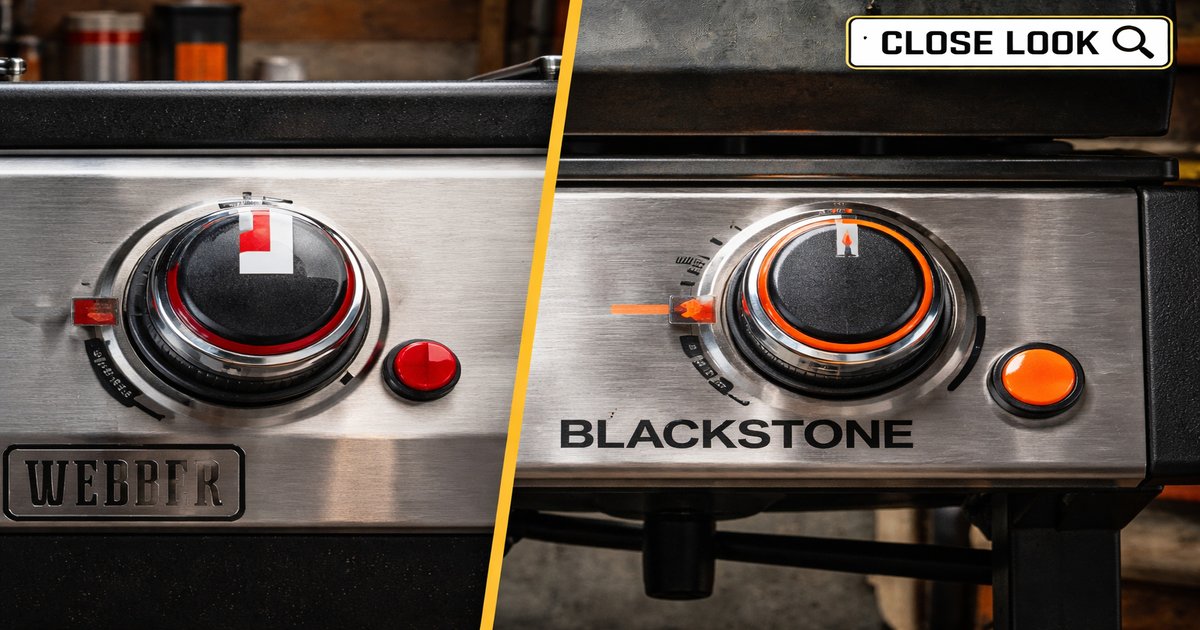
Weber vs Blackstone Griddle — Real-World Test Results
You’re ready to elevate your outdoor cooking game, but the decision between a Weber or a Blackstone griddle is as tough as a well-done steak. Whether you’re flipping burgers for a backyard bash or perfecting your pancake game on a Sunday morning, choosing the right griddle can make all the difference.
| Feature | Weber Griddle | Blackstone Griddle |
|---|---|---|
| Cooking Surface Area | 280 sq. inches | 720 sq. inches |
| Number of Burners | 2 | 4 |
| Material | Cast Iron | Cold Rolled Steel |
| Price | $200 | $300 |
| Portability | ✓ | ✗ |
| Assembly Required | ✗ | ✓ |
✅ Weber Pros
- Compact and highly portable, ideal for tailgating.
- Pre-seasoned cast iron surface, ready to use.
- Easy-to-clean design with removable grease tray.
❌ Weber Cons
- Limited cooking area, not great for large groups.
- Fewer burners mean less control over heat zones.
✅ Blackstone Griddle Pros
- Massive cooking surface, perfect for large gatherings.
- Four burners allow for versatile cooking zones.
- Durable cold rolled steel surface for even heat distribution.
❌ Blackstone Griddle Cons
- Bulky and less portable, suitable for backyard use.
- Requires assembly, can be frustrating out of the box.
Performance
Weber griddles are fantastic if you’re looking for something easy to manage with a respectable performance for small gatherings. The two burners provide decent heat control for an intimate cookout. On the flip side, Blackstone griddles are the powerhouse of outdoor cooking. With four burners, you get distinct heat zones that allow you to sear steaks on one side and gently cook veggies on the other, which makes it a beast for larger feasts.
Build Quality
The Weber is built with cast iron, which is a traditional choice for its durability and excellent heat retention. It’s a bit of a maintenance queen, though, requiring proper seasoning to prevent rust. Blackstone’s cold-rolled steel is no slouch either, offering robust build quality with uniform heat distribution. It’s slightly more forgiving than cast iron when it comes to maintenance, making it a favorite for those who want less fuss.
Value
If you’re a casual griller who cooks for a small family or occasionally heads out for a picnic, the Weber is a cost-effective choice at $200. It offers portability and ease of use without breaking the bank. However, if you’re the go-to backyard chef who hosts the neighborhood BBQs, splurging an extra hundred bucks on the Blackstone is money well spent. The additional cooking space and burners justify the price if you regularly feed a crowd.
Both griddles have hidden quirks. Weber’s compact size might sound appealing, but expect to juggle your cooking if you’ve got multiple dishes going. With Blackstone, its assembly isn’t as straightforward as it should be — have your tools ready and a friend on standby. And let’s talk about storage; make sure you’ve got the space for these beasts.
Our Final Verdict: Which One Should You Buy?
If you value portability and simplicity, the Weber griddle is your go-to. It’s perfect for tailgaters and small families who want hassle-free grilling. On the other hand, if you’re the social butterfly of the barbecue world, the Blackstone griddle is your best bet. It’s the heavy-duty option for those who love hosting and need the capacity to cook for a crowd.
Can the Weber griddle fit in a small car?
Yes, the Weber’s compact design makes it easy to fit in most car trunks, ideal for on-the-go grilling.
How long does it take to assemble the Blackstone griddle?
Set aside an hour or so for assembly. It’s manageable but not a quick setup straight out of the box.
Do both griddles require regular maintenance?
Absolutely. Weber’s cast iron needs regular seasoning, while Blackstone’s steel surface benefits from occasional oiling.
