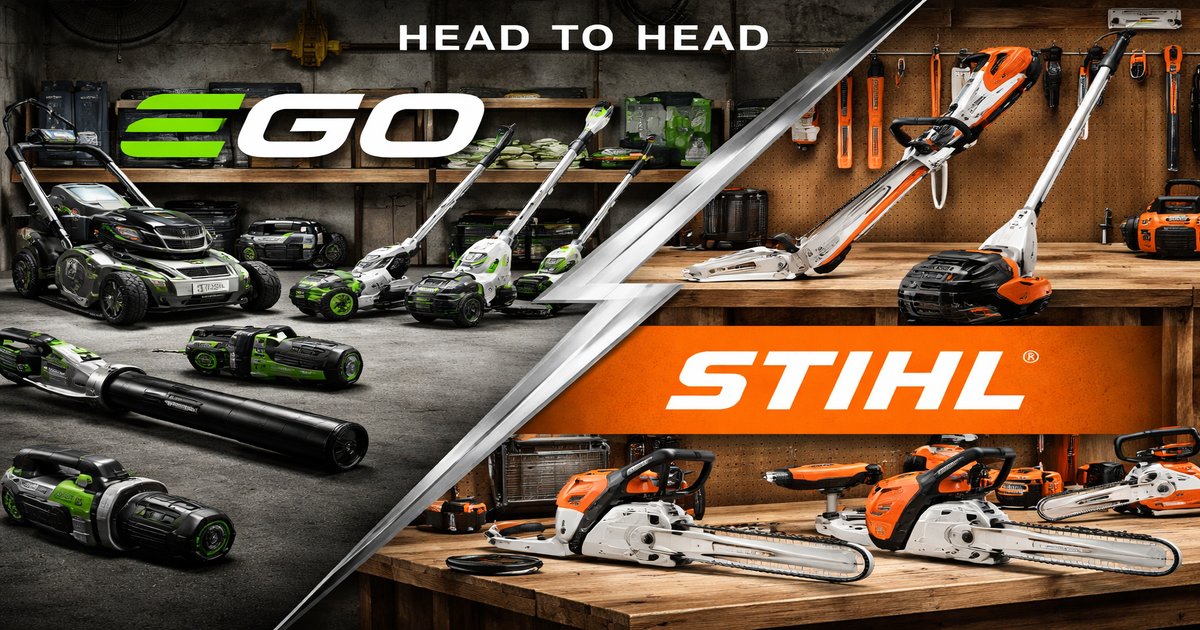
Choosing Between Ego Power Tools and Stihl: A Practical Guide
You’ve got a backyard that’s starting to resemble a jungle, and it’s time to take control. But when you’re standing in the store aisle, staring down the gleaming array of outdoor power tools, you find yourself torn between Ego’s sleek, battery-powered lineup and the rugged, gas-powered legends by Stihl. Let’s cut through the noise and see which one deserves a place in your garage.
| Feature | Ego Power Tools | Stihl |
|---|---|---|
| Power Source | Battery | Gasoline/Electric |
| Battery Life (min) | 45-90 | N/A |
| Noise Level (dB) | 65-70 | 85-100 |
| Weight (lbs) | 8-12 | 12-15 |
| Eco-Friendliness | ✓ | ✗ |
| Price Range | $200-$600 | $300-$700 |
| Warranty | 5 years | 2 years |
✅ ego power tools Pros
- Quiet operation, perfect for suburban areas.
- Eco-friendly with zero emissions.
- Long warranty period.
❌ ego power tools Cons
- Battery life can limit longer tasks.
- Initial investment cost for batteries and chargers.
- Not as powerful as gas alternatives for heavy-duty tasks.
✅ stihl Pros
- Powerful performance, ideal for tough jobs.
- Widespread service and parts availability.
- Reliable gas engine for extended use.
❌ stihl Cons
- Louder operation can disturb neighbors.
- Higher environmental impact due to emissions.
- Heavier and can be tiring over long periods.
Performance
Ego’s battery-powered tools are a dream for anyone who values quiet mornings and eco-conscious living. They handle most residential tasks with ease, but if you’re tackling thick brush or large properties, you might find the battery life lacking. Stihl, on the other hand, eats through tough jobs like a beast. Its gas-powered engines provide sustained power for hours, making it the go-to for professional landscapers and anyone with a demanding workload. The trade-off? Be prepared for the roar of an engine and the smell of gasoline.
Build Quality
Ego tools feel modern and ergonomic. They’re lightweight, which is a blessing if you’re spending hours trimming and mowing. The materials feel premium and durable, even if they don’t quite match the heft of Stihl’s offerings. Stihl tools are built like tanks. Their robust construction is meant to endure harsh conditions, from rain to grime. You’ll appreciate this if you’re not one for babying your gear. Just remember, that sturdiness comes with extra weight.
Value
Ego’s initial costs can be steep, especially when you factor in extra batteries. However, the running costs are minimal; no gas or oil changes to worry about. Plus, the extended warranty provides peace of mind. Stihl might be pricier upfront, but for those who need consistent power without the worry of recharging, it pays off. Just be ready for the ongoing maintenance costs, which can add up over time.
Ego’s battery life is often overstated in ideal conditions. When it’s hot or you’re tackling tougher tasks, expect less from your batteries. For Stihl, the noise level isn’t just annoying; it’s a potential hearing hazard without ear protection. Also, gas-powered tools need regular maintenance to keep them running smoothly, which can be a hidden cost over time.
Our Final Verdict: Which One Should You Buy?
If you’re a weekend warrior with a modest yard in a noise-sensitive neighborhood, Ego Power Tools are your best bet. Their quiet, eco-friendly operation and lower maintenance costs are hard to beat. But if you’re a professional landscaper or have a large property with demanding tasks, Stihl’s raw power and durability make it the better choice. Just be ready for the upkeep that comes with gas-powered tools.
Are Ego batteries compatible with all their tools?
Yes, Ego’s battery system is designed to be interchangeable across their entire range of tools, providing flexibility and convenience.
How often do Stihl tools require maintenance?
Regular maintenance for Stihl tools includes oil changes, spark plug checks, and air filter cleaning, typically recommended every 50 hours of use.
Is the noise level of Ego tools really that much lower?
Absolutely. Ego tools operate at significantly lower decibel levels than gas-powered tools, making them much quieter and more suitable for residential use.
